People take black pepper by mouth for arthritis, asthma, upset stomach, bronchitis, a bacterial infection that causes diarrhea (cholera), colic, depression, diarrhea, gas, headache, sex drive, menstrual pain, stuffy nose, sinus infection, dizziness, discolored skin (vitiligo), weight loss, and cancer..
People also ask, what are the benefits of black pepper?
Here are 11 science-backed health benefits of black pepper.
- High in antioxidants. Free radicals are unstable molecules that can damage your cells.
- Has anti-inflammatory properties.
- May benefit your brain.
- May improve blood sugar control.
- May lower cholesterol levels.
- May have cancer-fighting properties.
- A versatile spice.
Secondly, what is the medicinal use of black pepper? Packed with potassium, magnesium, iron, vitamin K and vitamin C, black pepper is considered a vital healing spice in Ayurveda whose medicinal value outweighs its culinary usage across globe. From curing common cold and cough to providing quick relief from toothache, there's little that this spice can't do.
Hereof, what is black pepper used for in cooking?
Culinary Uses Use black pepper as an ingredient in recipes to add flavor and spice to meats, fish, vegetables, salad dressings, soups, stir-fries, pasta, and more. You can also add a dash of black pepper to scrambled eggs, avocado toast, fruit, and dipping sauces for a spicy kick.
How do you eat black pepper?
Black pepper is an easily available spice in Indian kitchens.
- Gulp or chew directly. Those who can tolerate the burning hot flavour of black pepper, can consume 1-2 peppercorns directly every morning.
- Black pepper tea.
- Sprinkle it over fruit and vegetable salad.
- Add it your everyday beverage.
- Use black pepper oil.
Related Question Answers
Is black pepper good for liver?
New research shows that the daily consumption of capsaicin, the active compound of chilli peppers, was found to have beneficial effects on liver damage. In the study, capsaicin was found to reduce the activation of hepatic stellate cells (HSCs) in mice models.What are the side effects of black pepper?
Black pepper oil typically does not cause side effects. Black pepper might have a burning aftertaste. Taking large amounts of black pepper by mouth, which can accidentally get into the lungs, has been reported to cause death.Does black pepper raise blood pressure?
Several studies suggest the active substance found in black pepper called piperine helps to lower blood pressure. Eating too much salt is the biggest cause of high blood pressure - the more salt you eat, the higher your blood pressure will be.Is eating black pepper healthy?
Black pepper (Piper Nigrum L.) is an important healthy food owing to its antioxidant, antimicrobial potential and gastro-protective modules. Black pepper, with piperine as an active ingredient, holds rich phytochemistry that also includes volatile oil, oleoresins, and alkaloids.Is black pepper bad for your kidneys?
Eat Fewer Foods with a High Oxalate ContentIf you have been diagnosed with calcium oxalate kidney stones, your doctor may recommend that you limit your intake of foods that contain higher amounts of oxalate, such as beets, black pepper, black tea, chocolate, nuts, potatoes, rhubarb, soy products, and spinach.Why is pepper so popular?
Better still, long pepper was believed to reduce phlegm and increase semen. As a result, the spice was popular in ancient Greece and Rome. Long pepper's high status also laid the ground for other pungent spices, like black pepper. It's a sad story, because long pepper is, in fact, a terrific spice.How much black pepper should you eat a day?
There is no harm including it in your diet, but make sure to consume it in moderation. Do not have more than 1-2 teaspoon of black pepper every day. Having it in excess can have multiple side effects.Is black pepper good for eyes?
Bell peppers give you the most vitamin C per calorie. That's good for the blood vessels in your eyes, and science suggests it could lower your risk of getting cataracts. Brightly colored peppers also pack eye-friendly vitamins A and E.How spicy is black pepper?
Pepper gets its spicy heat mostly from piperine derived from both the outer fruit and the seed. Black pepper contains between 4.6 and 9.7% piperine by mass, and white pepper slightly more than that. Refined piperine, by weight, is about one percent as hot as the capsaicin found in chili peppers.Does black pepper kill bacteria?
Capsicums, including chilies and other hot peppers, are in the middle of the antimicrobial pack (killing or inhibiting up to 75 percent of bacteria), while pepper of the white or black variety inhibits 25 percent of bacteria, as do ginger, anise seed, celery seed and the juices of lemons and limes.Can you put black pepper in eggs?
Crack egg into bell pepper ring; cook until bottom holds together and corners are browned, 2 to 3 minutes. Flip and cook until desired doneness is reached, 2 to 3 minutes more; season with salt and ground black pepper.Is black pepper good for your heart?
There is even evidence that black pepper helps your heart health and fights against cancer. The issues both come back to piperine. In addition to fighting fat cells, it eases blood pressure and mitigates inflammation, which is great for your cardiovascular health.What is black pepper made of?
Black peppercorns are the dried fruit of the almost-mature pepper berry (in fact all pepper is from the same plant, piper nigrum). They are usually sundried, but can be oven dried, in a process that leaves the outer layer, the pericarp, oxidized and black (get ready for the word “pericarp” to show up a few times).Is black pepper good for cough?
Soothes Cough and ColdThe spice is a godsend when it comes to treating cough or cold. A pinch of black pepper powder mixed with half a teaspoon of honey is a known remedy for treating a sore throat due to flu, viral or pollution.What is the flavor of black pepper?
Black Pepper has a sharp, pungent aroma and flavor. White Pepper is hotter, less subtle and mildly fermented. Green Peppercorn is milder in flavor and has a fresh taste.Is black pepper carcinogenic?
Carcinogenicity testing of some constituents of black pepper (Piper nigrum). Safrole and tannic acid (constituents of black pepper) were weak carcinogens when compared with MCA which was used as a carcinogenic control substance.What Pepper do chefs use?
Types of pepperChef Maunika Gowardhan uses a range of different peppers depending on the dish in question. Sichuan (also know as triphal or teppal) pepper adds heat; tellicherry peppercorns from India are left on the vine longer so they develop a deep, rich flavour; and she occasionally uses java long pepper.What is Pippali used for?
Pippali is extremely effective for the treatment of various bacterial infections, especially if taken as an essential oil. It can help even in more complicated conditions such as sinusitis. It is believed that it can cure even enlarged spleen, as well as that it protects us from cardiovascular diseases and strokes.What is turmeric good for?
Turmeric and especially its most active compound curcumin have many scientifically-proven health benefits, such as the potential to prevent heart disease, Alzheimer's and cancer. It's a potent anti-inflammatory and antioxidant and may also help improve symptoms of depression and arthritis. 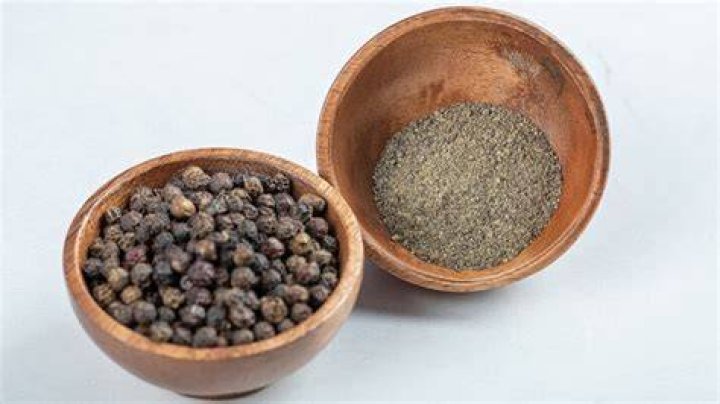
 Mia Lopez